There are cities one visits, and there are cities that visit you instead. Berlin belongs to the second category. It isn't a destination you tour and leave behind; it's an experience that settles somewhere between your eyes and your memory, and refuses to let go. I arrived in Berlin, camera in hand, certain I already knew what I would find — and I was completely wrong.
Berlin isn't a pretty city, at least not in the conventional sense of the word. It doesn't have the elegance of Paris or the flawless architecture of Vienna. What it has is something harder to photograph and, at the same time, impossible to ignore: an endless number of layers, as many as you dare to see. Layers of history, of pain, of resistance, of irony, of art and of life, stacked on every corner like geological strata laid bare under the open sky.
If you want to understand Berlin, start with the traffic light. Not just any traffic light: the Ampelmann, that little hatted figure who tells you when to cross the street in what used to be East Berlin. Green, striding forward, hat tilted: walk. Red, arms outstretched as if to say "stop, don't cross": wait.
What makes the Ampelmann so special isn't the design — although it is charming — but its survival. When the Wall fell in 1989 and Germany reunified, there were plans to replace it with the standard traffic lights of the West. But East Berliners rebelled. They defended it. And they won. Today the Ampelmann doesn't just exist at Berlin's pedestrian crossings; it has its own brand, its own shops, its own souvenirs. It's the only symbol of the GDR that survived reunification, and today it's more present than ever.
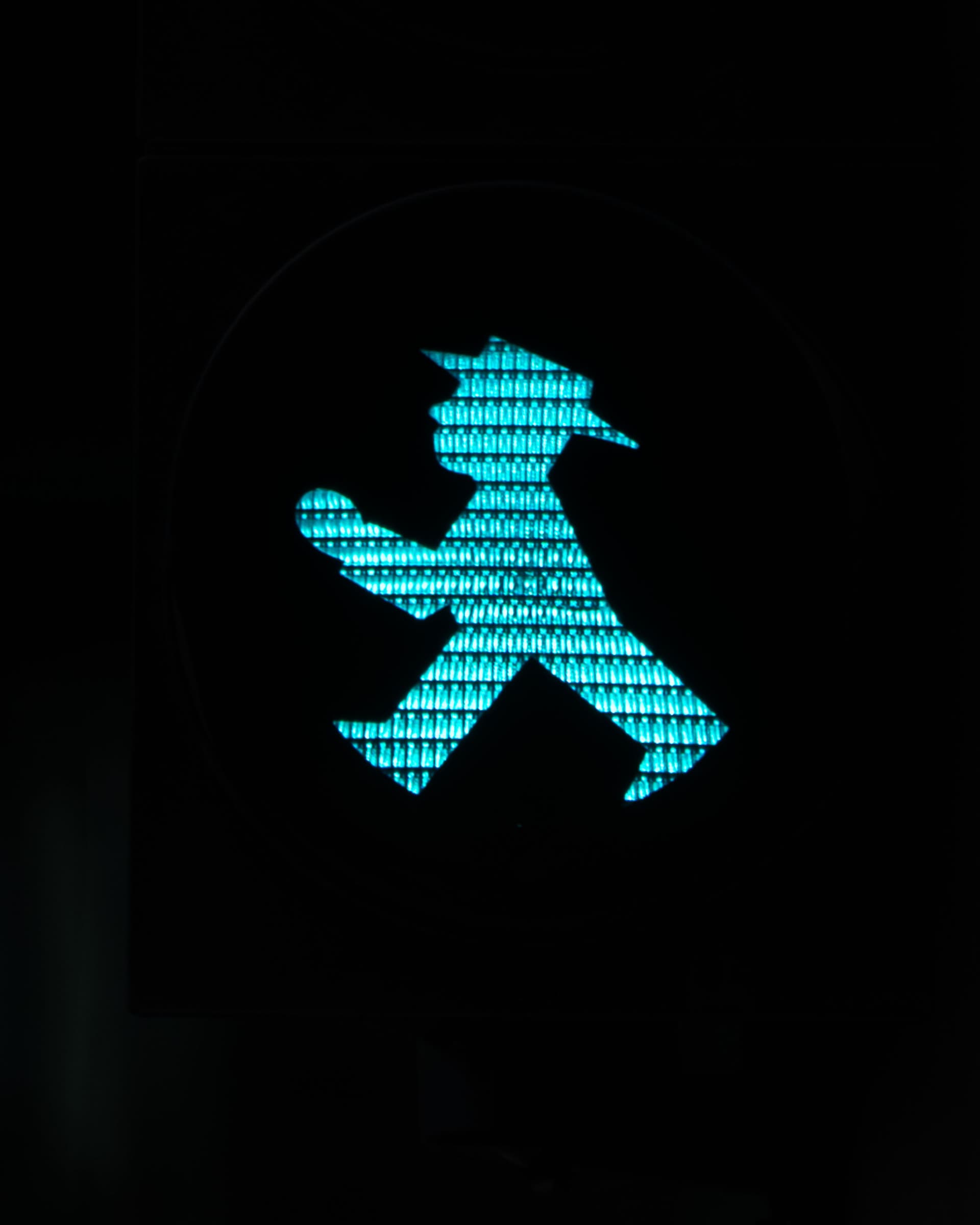
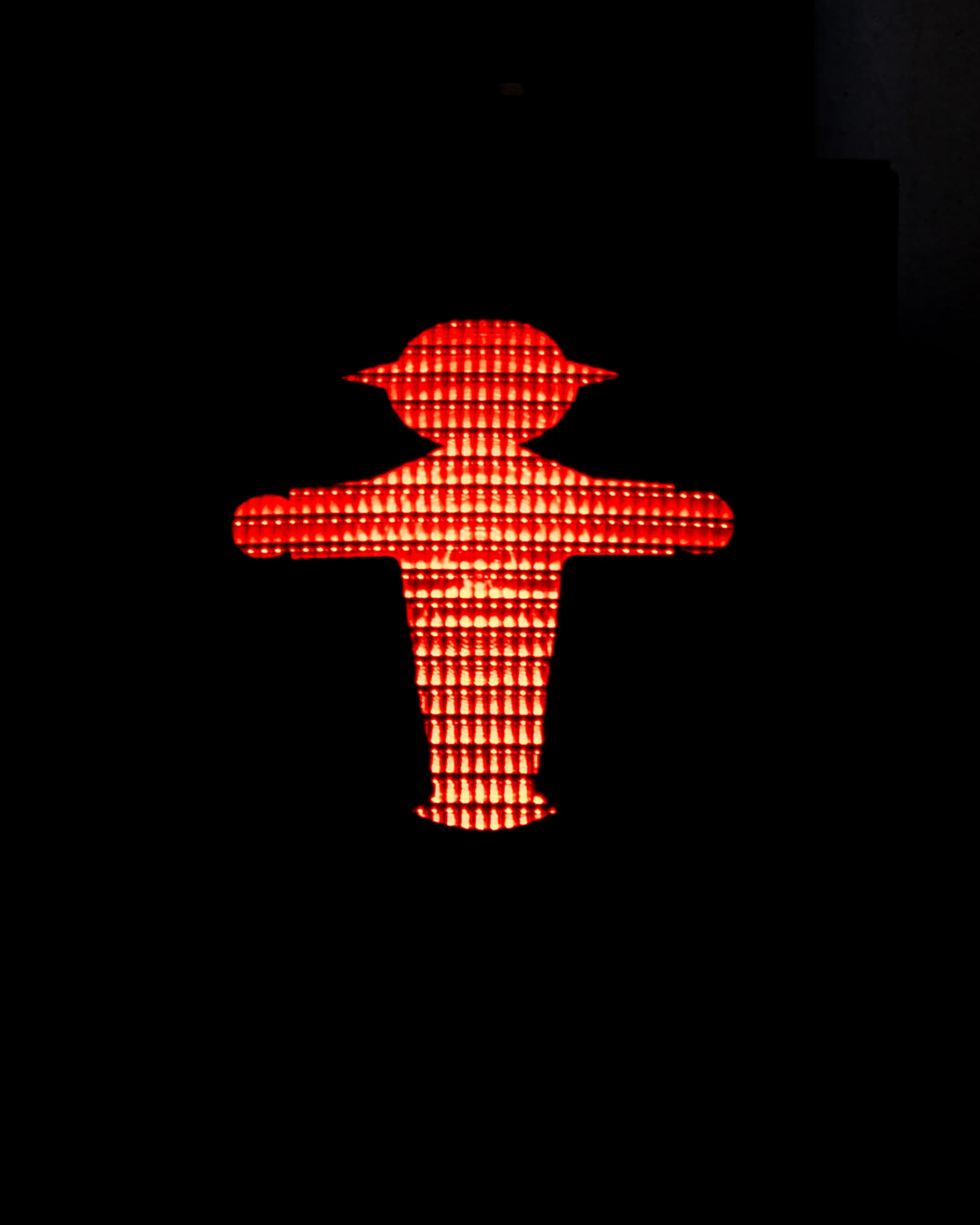
Every time I look at these two photos — the glowing green and the burning red — I think they're the perfect metaphor for this city: something that should have died, and yet still walks.
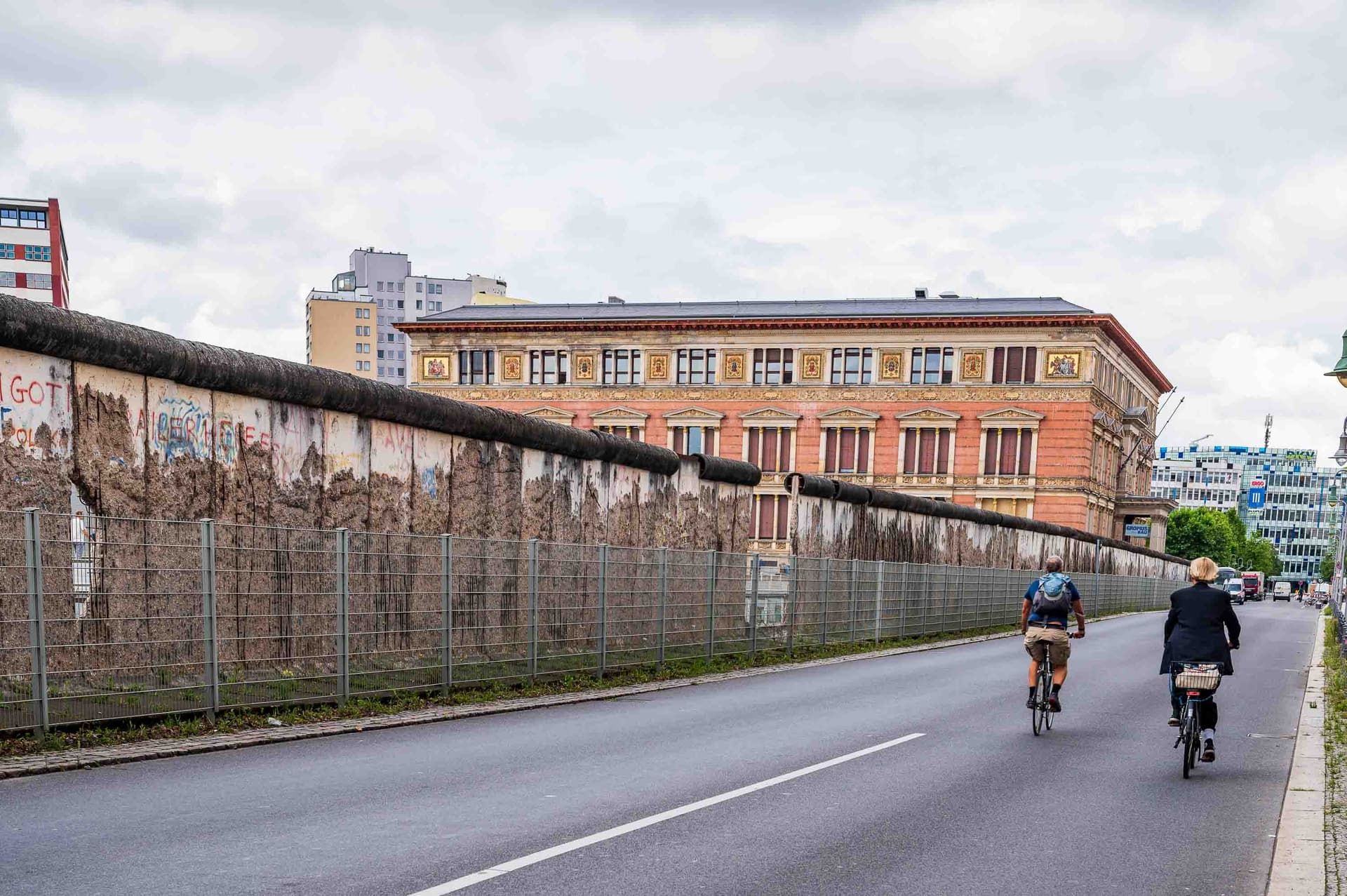
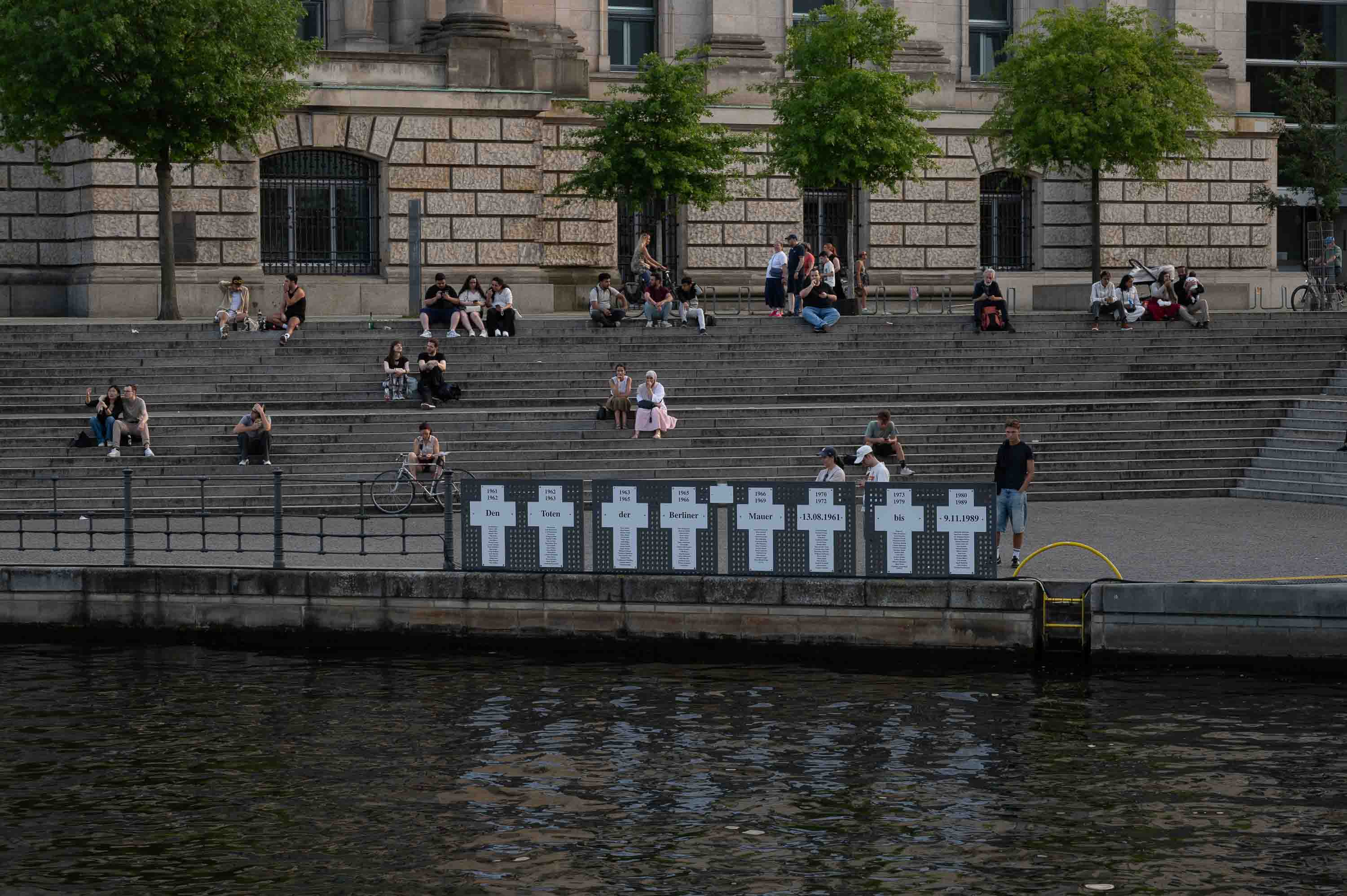
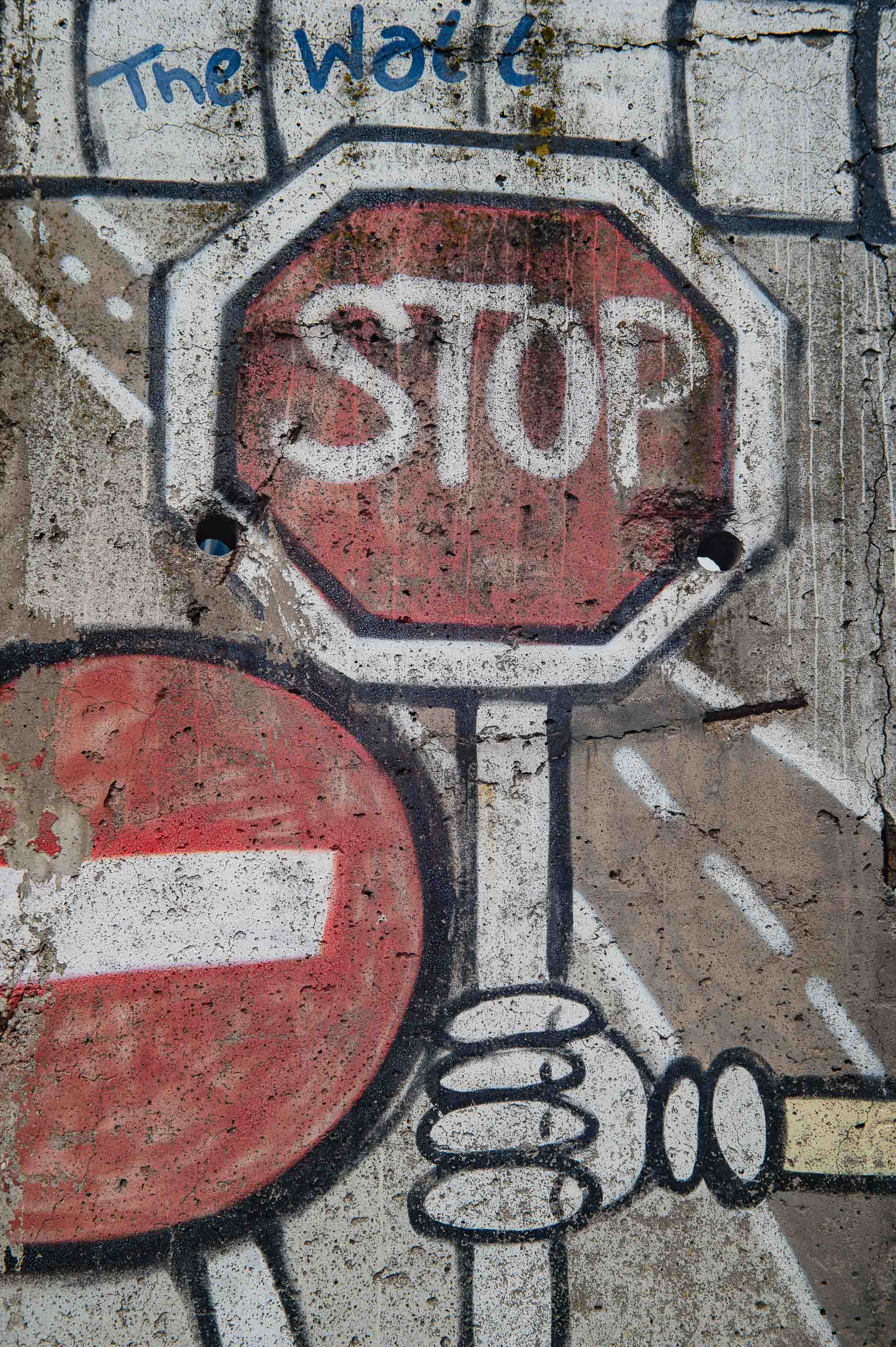
It's impossible to photograph Berlin without photographing the Wall. Or what's left of it, which in many ways is more powerful than the Wall in its entirety. The fragments that survived on Bernauer Strasse and along the East Side Gallery aren't ruins: they're silent witnesses to a painful history. They stand there, with their cracks and their graffiti, while the modern city grows behind them as if nothing had happened.
One of the images that struck me most was an everyday scene: two cyclists calmly riding past a long stretch of the Wall, its rusted wires still crowning the top. On the other side, an elegant building. The banality of the present and the weight of the past in a single frame. That's Berlin.
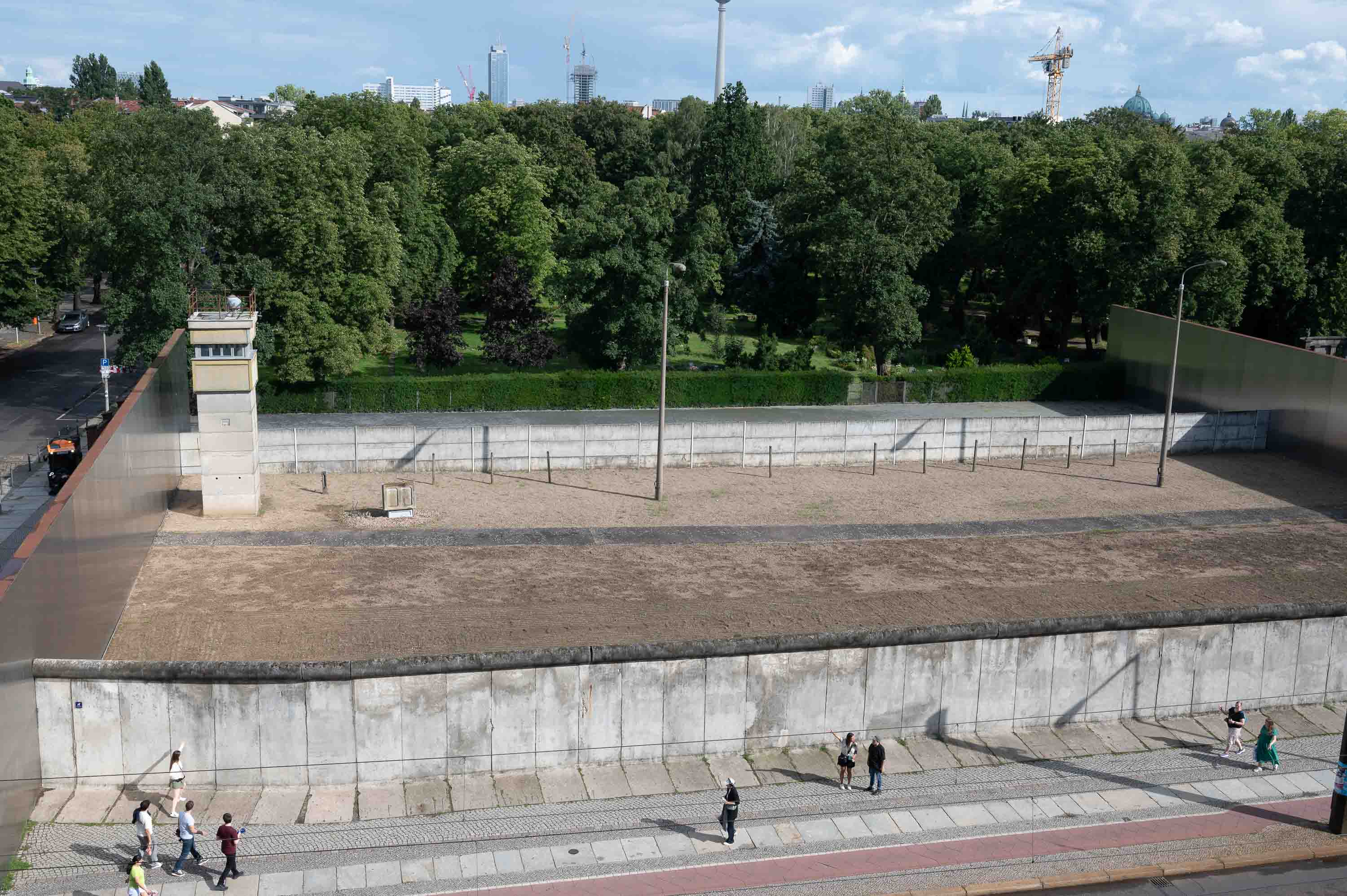
The Bernauer Strasse Memorial goes even further: from an elevated walkway you can see the death strip exactly as it was — two walls, no-man's-land, watchtowers. Today there are tourists taking selfies and kids playing nearby. Memory and everyday life ignore each other and coexist at the same time. I don't know if that's beautiful or disturbing. I think it's both.
The Wall no longer separates two countries. It separates before from after. And that border will never fully disappear.
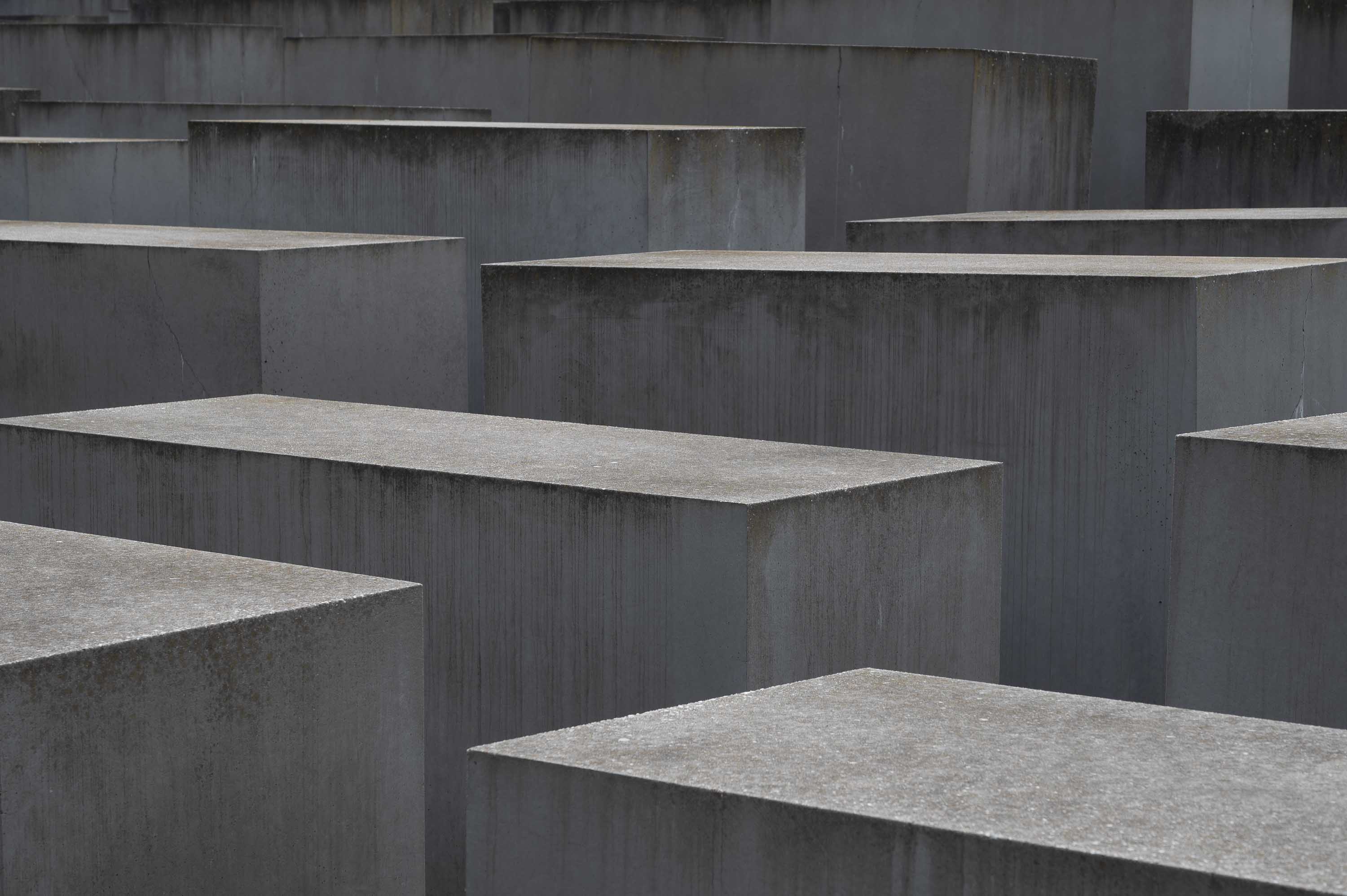
A few blocks from the Brandenburg Gate, in the symbolic heart of the capital, Berlin installed one of the most striking memorials I've ever seen: the Memorial to the Murdered Jews of Europe. Two thousand seven hundred and eleven gray concrete slabs, of varying heights, forming a silent, disorienting labyrinth.
There are no signs. No explanations. Just those gray blocks swallowing you as you move deeper in, until the noise of the city disappears and you're left alone with the silence and the scale of the horror. Photographing that place is a challenge, because the camera tends to do what we all do: look for the pretty composition, the interesting angle. But the memorial resists. It forces you to feel before you frame.
Berlin has something few cities allow themselves: honesty about its own history. It doesn't hide the darkness behind well-kept gardens. It places it at the center — literally.
Still, this memorial has drawn criticism of the architect who designed it, as well as enormous contradictions. The most ironic of them: the company that manufactured the anti-graffiti coating used to protect the monument had ties, during the Nazi era, to another company that manufactured the infamous Zyklon B gas used in the extermination camps to murder the Jewish population.
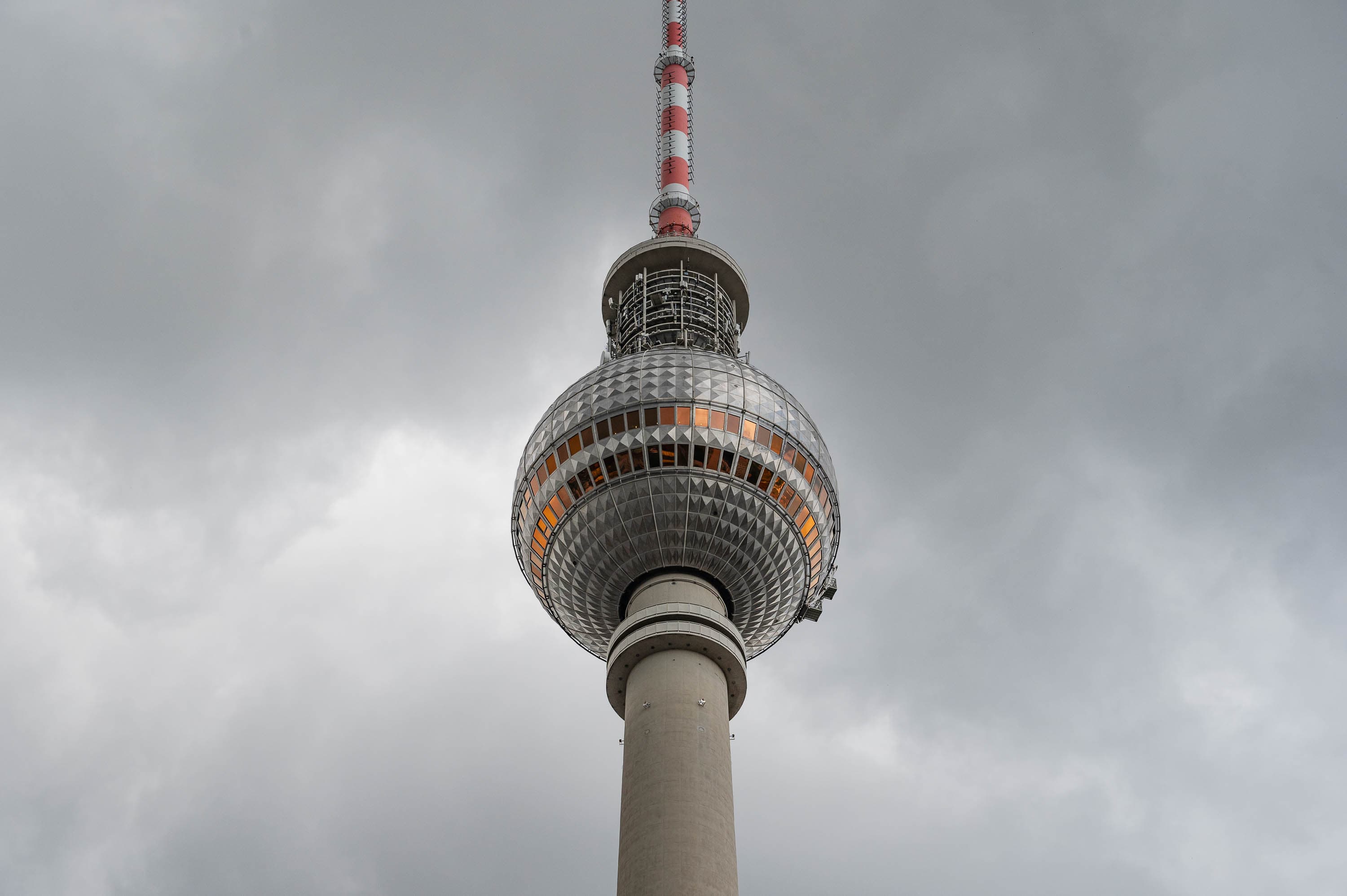
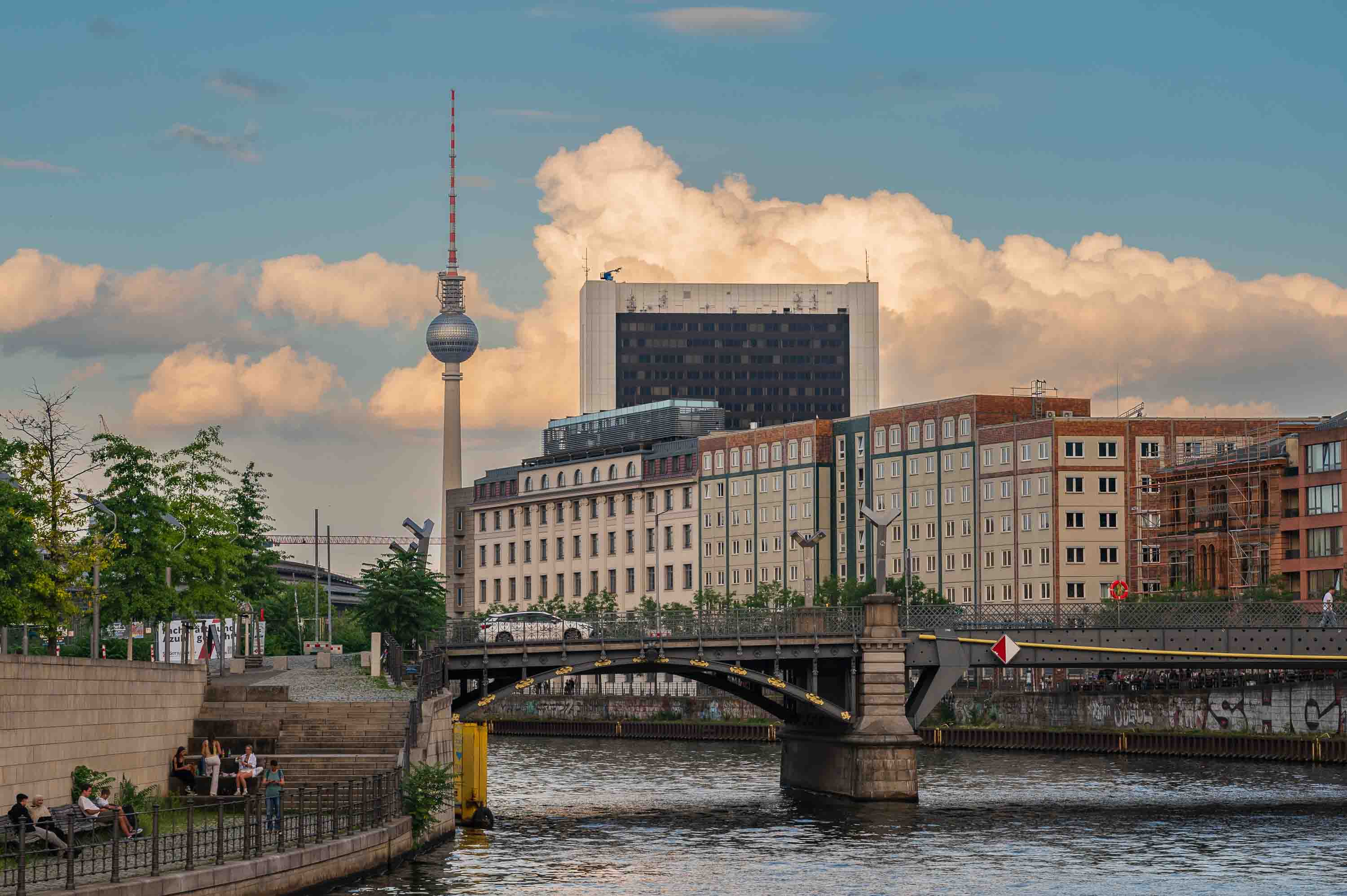
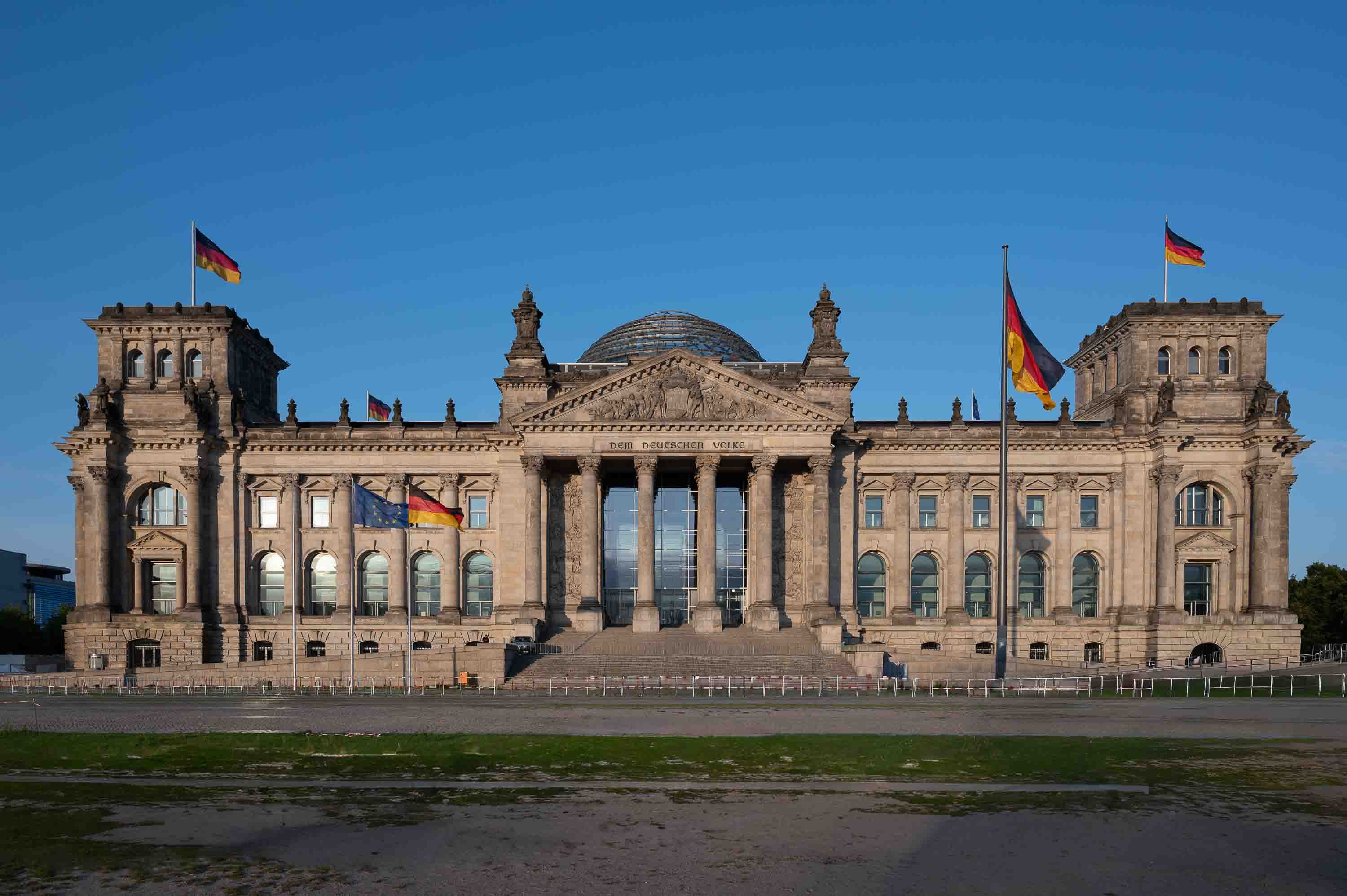
And yet — and this is what makes Berlin irresistible — the city isn't trapped in its history. The Brandenburg Gate no longer divides: it unites all Berliners. The Reichstag has a glass dome designed by Norman Foster that symbolizes democratic transparency. The Fernsehturm, the Alexanderplatz television tower, stands proudly against the blue sky like a symbol that refuses to apologize for its origins.
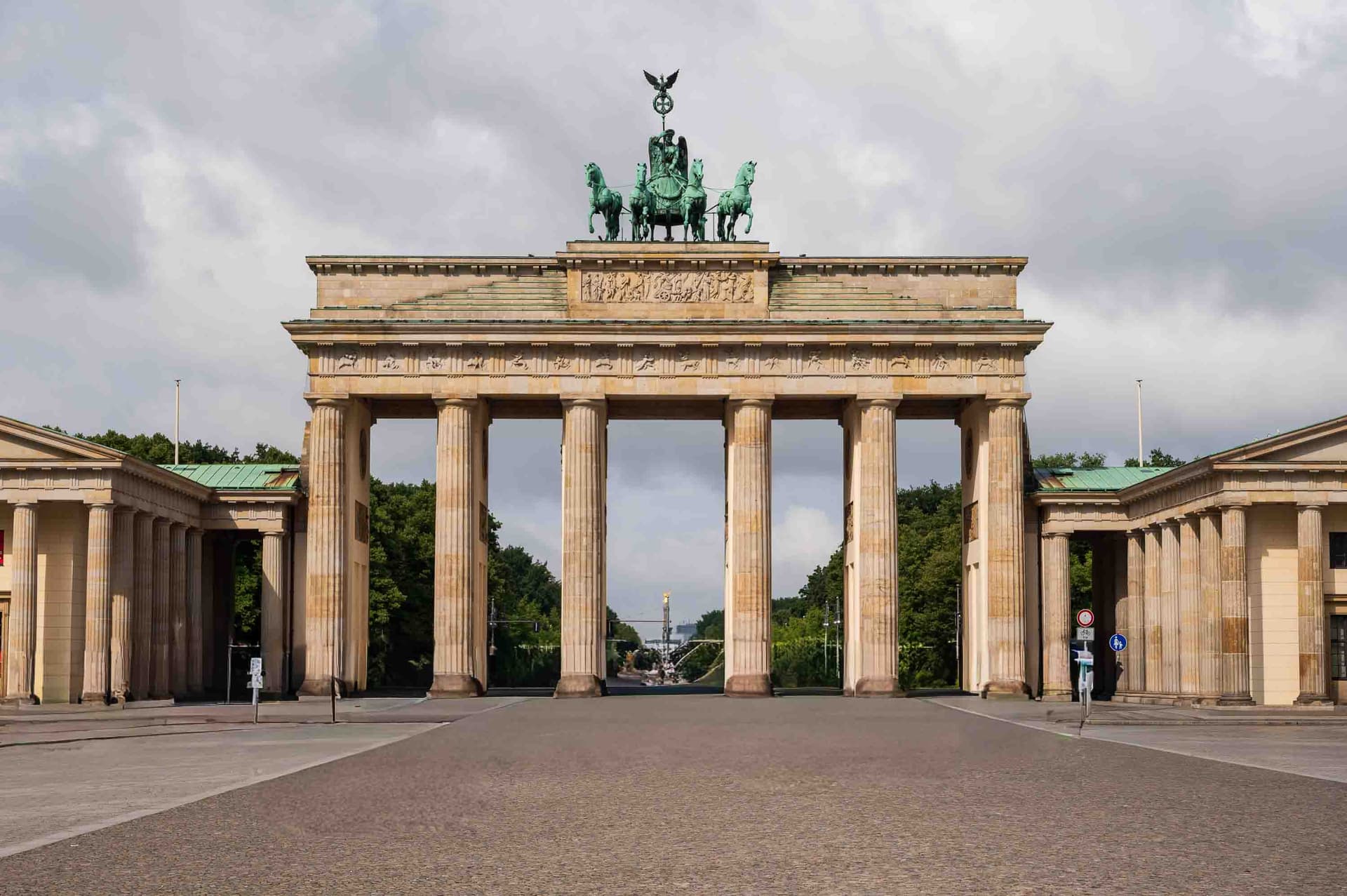
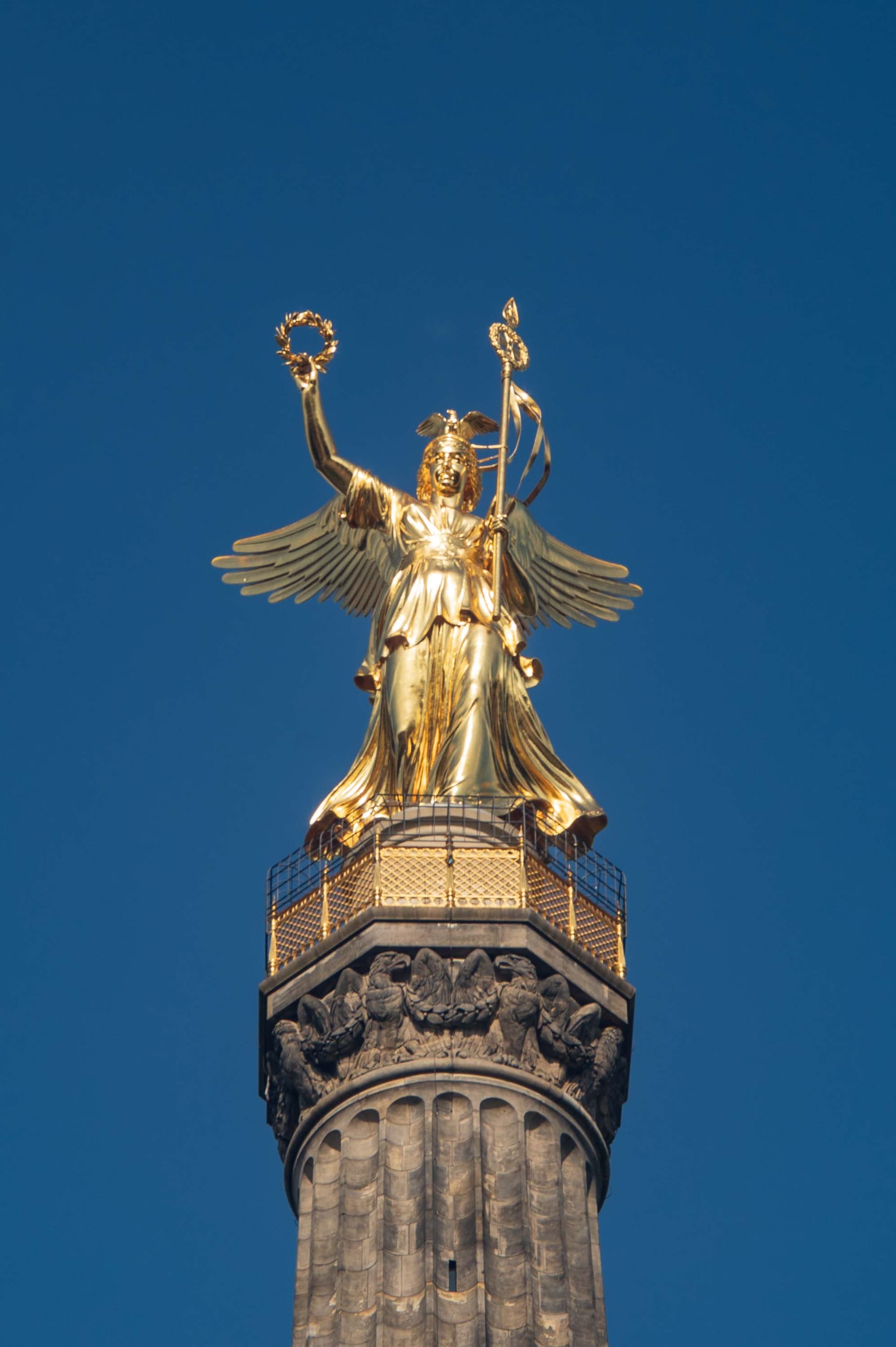
There's one photo I never tire of looking at: the Brandenburg Gate completely empty, at dawn, with the Quadriga statue atop the gate and, in the background, tiny but unmistakable, the Victory Column with its golden angel. An axis of power that took centuries to build, and that today anyone can cross freely, at any hour.
That freedom of movement, which today seems obvious, was for 28 years an impossible privilege. Remembering that changes the way you look at the photograph.
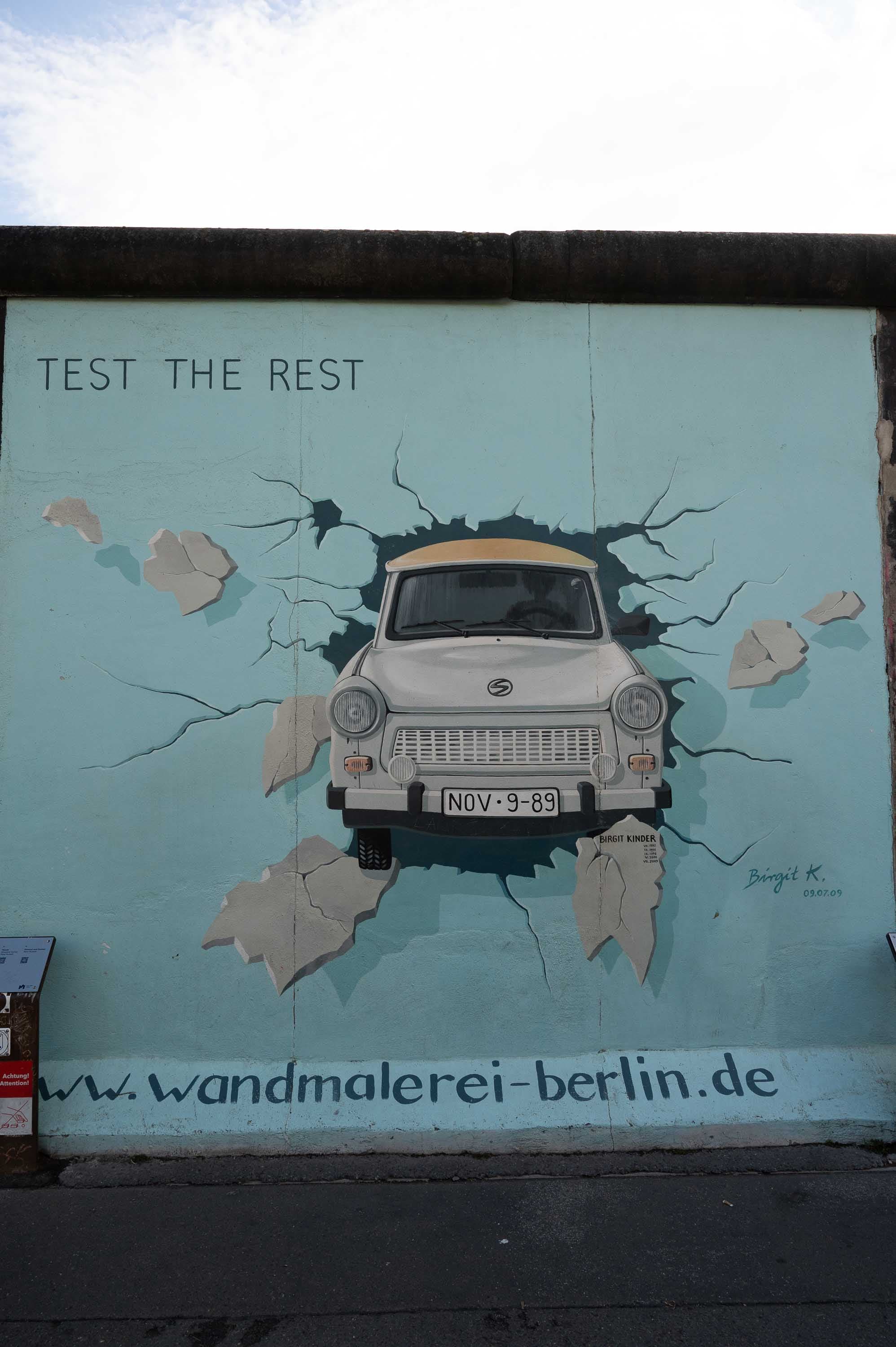
Berlin is also the Trabant — that rustic, two-stroke car that was real socialism's motorized dream — staring back at you from a mural on the East Side Gallery, with the words "Test the Rest" and the license plate "NOV-9-89." November 9th, 1989, the night the Wall fell. Berlin's street art processes history with more intelligence and humor than any textbook.
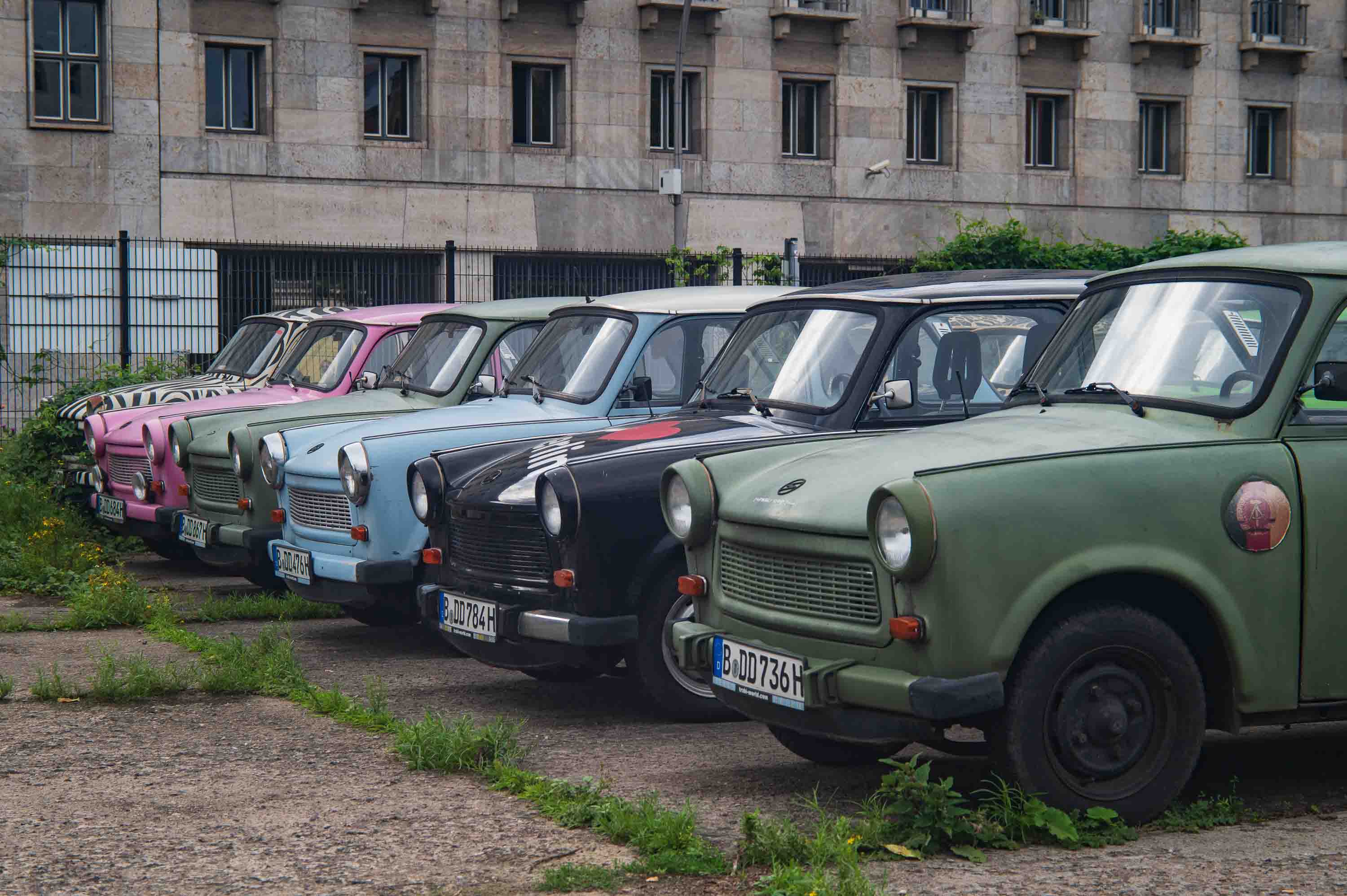
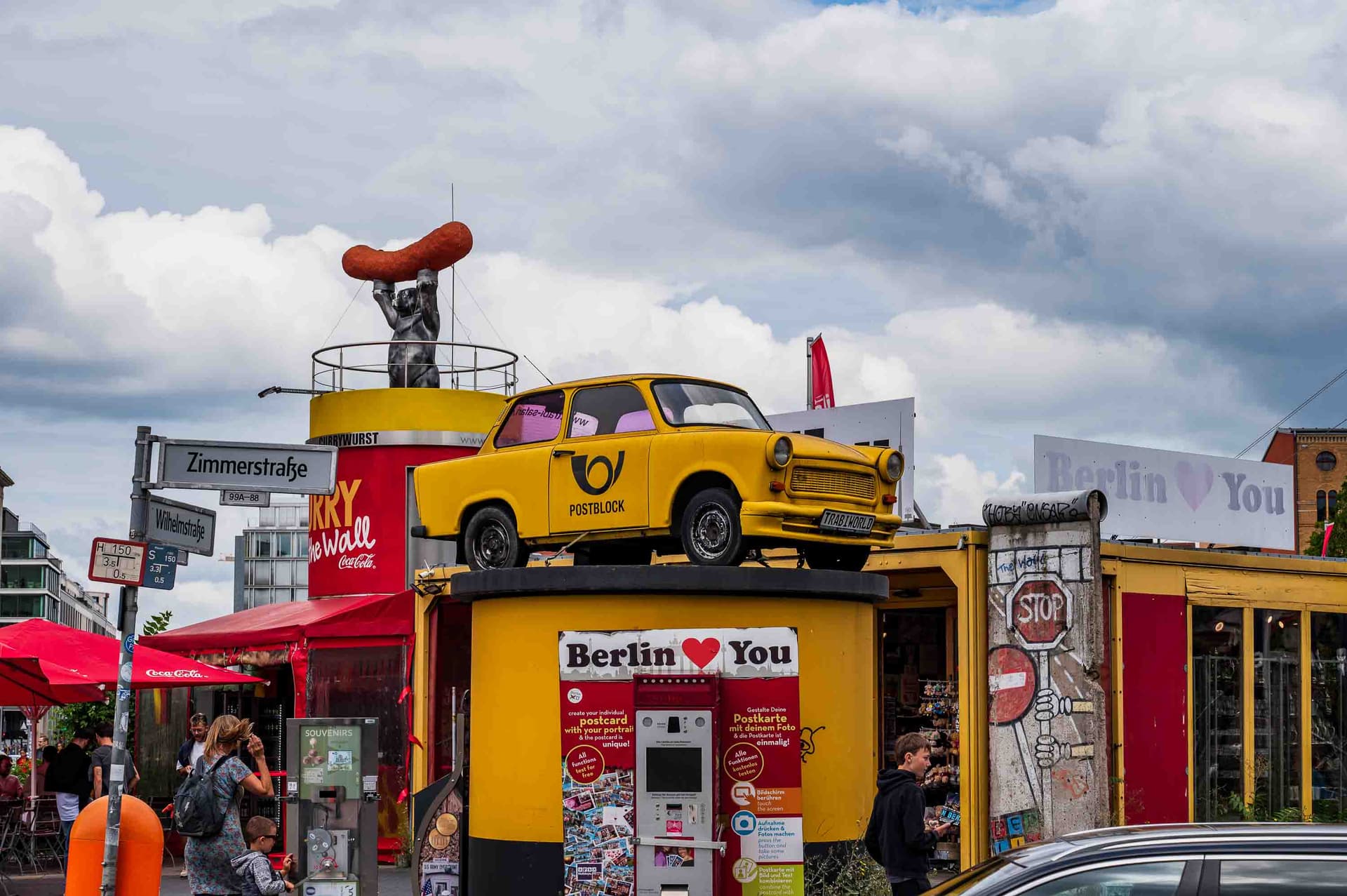
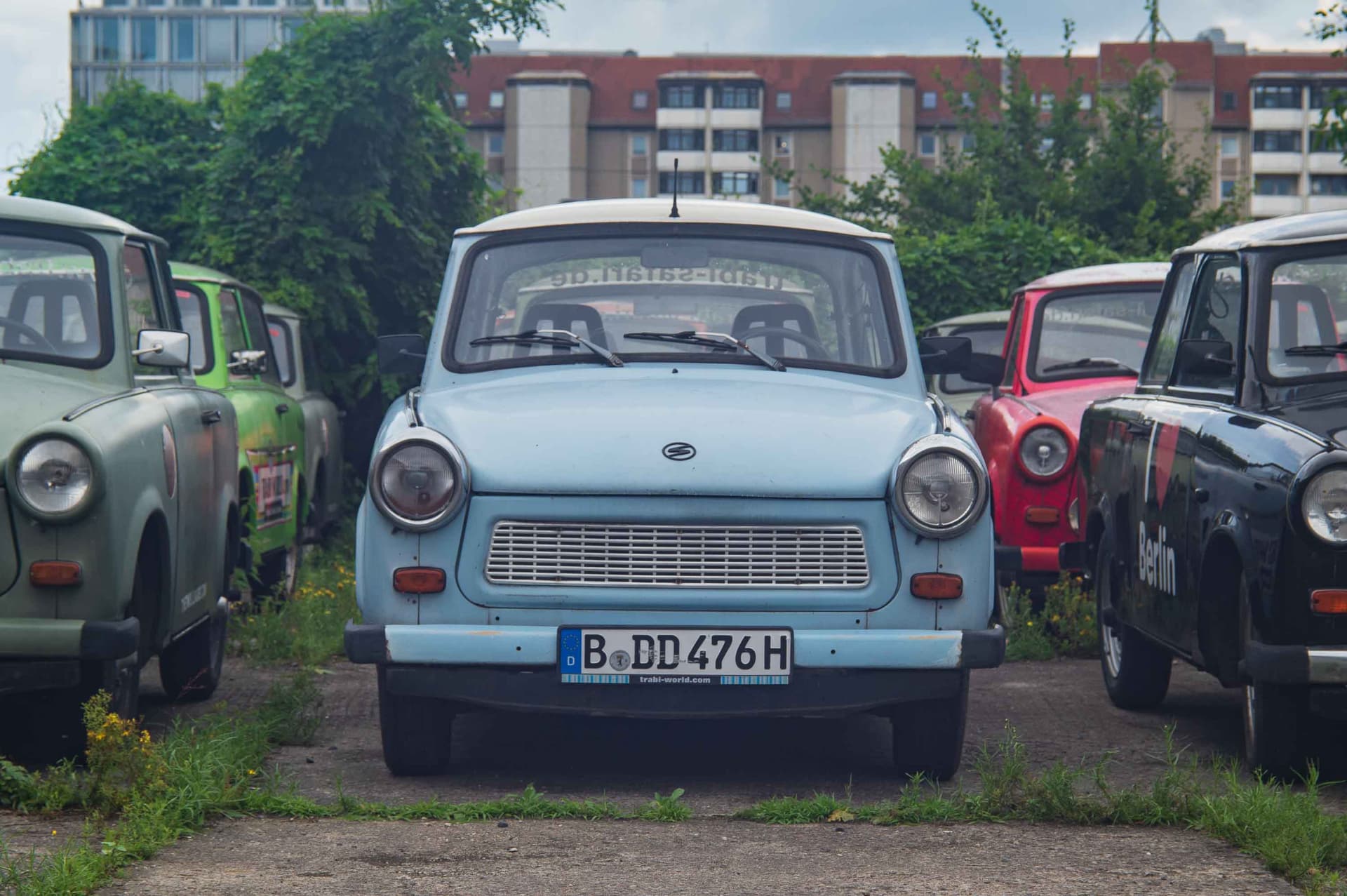
Today the old Trabants are used as charming vehicles for guided tours of the city, and have become collector's items — they even have their own shop.
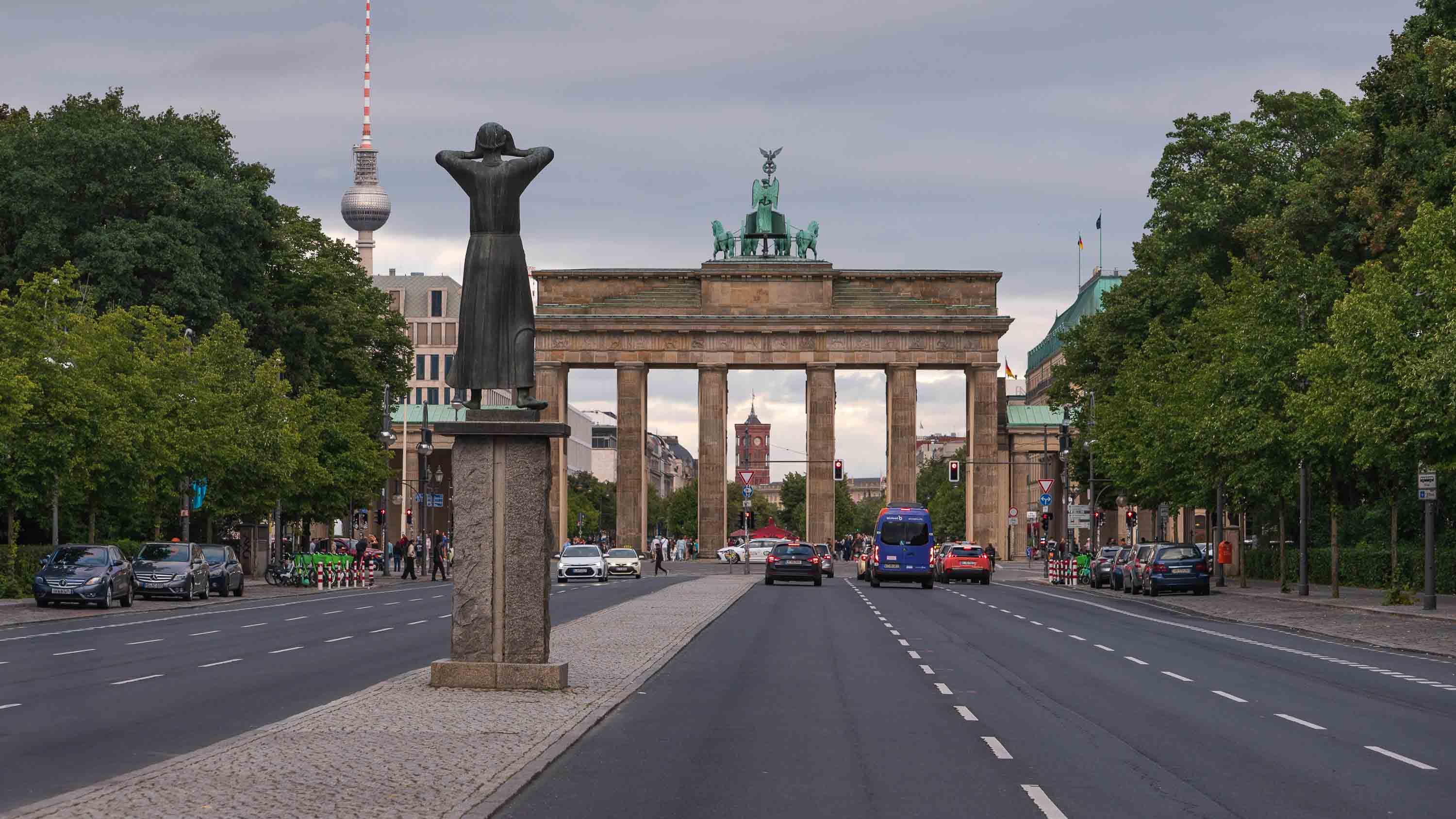
There's a photograph I took almost without thinking, one of those where instinct fires the shutter before reason gets a say, and that afterward you can't stop looking at. A bronze statue of a female figure, seen from behind, hands clutching her head in a gesture somewhere between rage and astonishment, silently contemplating the Brandenburg Gate. Beneath her feet, the bustle of traffic on Unter den Linden — the great avenue of linden trees that for centuries was the artery of Prussian power — and behind the gate, the Fernsehturm and the red tower of Berlin's City Hall closing off the horizon.
The statue, known as Die Rufer — "The Caller" — was erected in 1988, a year before the Wall fell, as a symbol of the longing for reunification. A woman who calls out, who waits, who cannot cross. Today she's still there, in the same position, but looking at a gate that no longer forbids anyone's passage. What does a statue feel when its very purpose is fulfilled and it remains standing all the same? Victory, redundancy, or simply the quiet permanence of someone who always knew this was going to happen?
That photo sums up, for me, everything Berlin holds: the best frame isn't always the one that shows everything. Sometimes it's the one that turns its back on you and invites you to imagine what it's looking at.
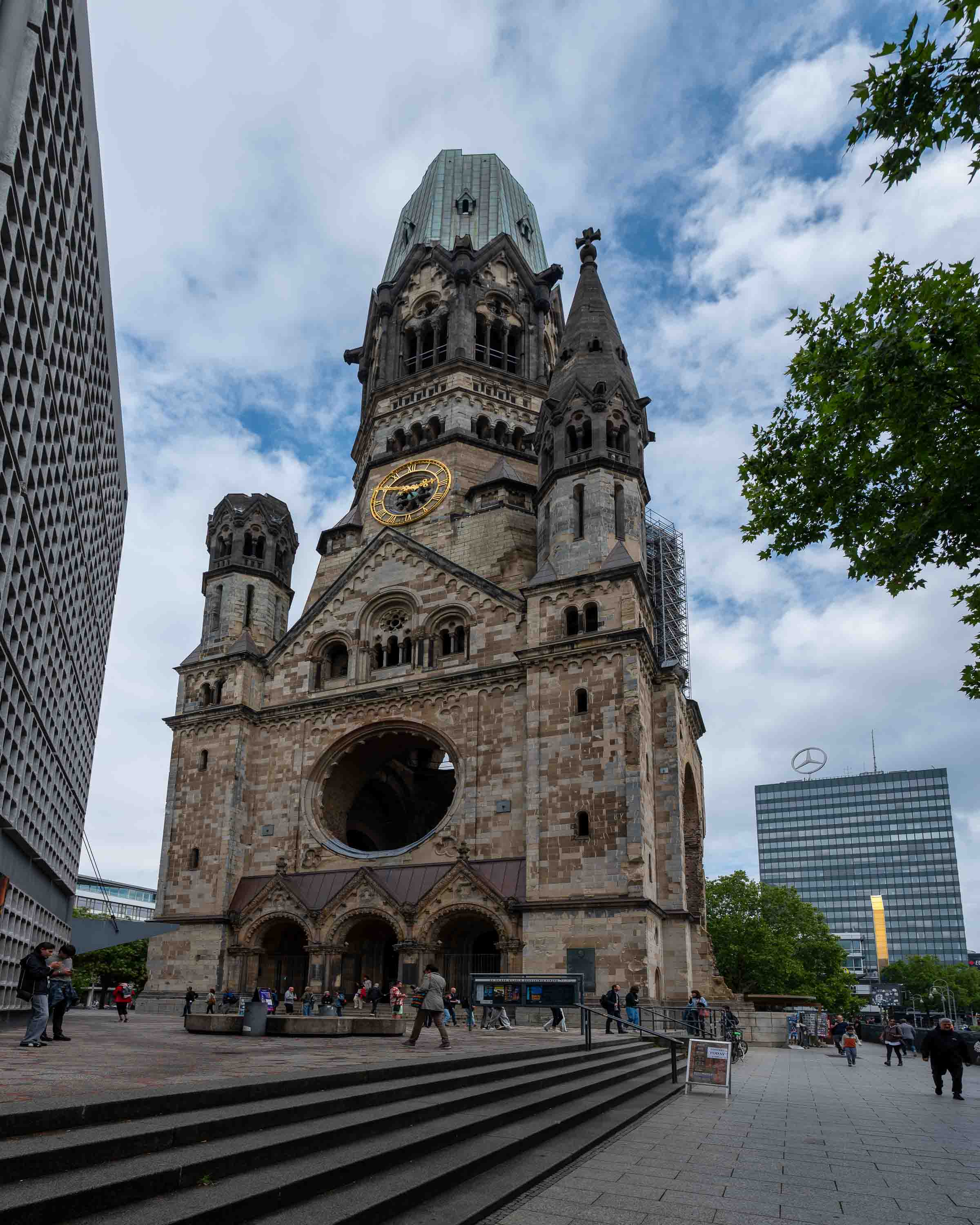
In the heart of West Berlin, right in the middle of the Kurfürstendamm — the city's most glamorous and commercial avenue — there is a ruin. Not an accidental ruin, not a forgotten building: a ruin that was chosen, upheld, protected. The Kaiser Wilhelm Memorial Church was bombed by Allied aviation in November 1943. Its main tower was left in ruins, its dome literally torn off by the bombs.
When the war ended, Berliners debated what to do with the remains. The answer was as Berlin as it was brilliant: don't rebuild it. Leave it exactly as it was left, as a visible scar, as a permanent question hurled at the sky. Today the bombed tower — popularly known as "the rotten tooth" — coexists with the modern structures of concrete and blue glass that architect Egon Eiermann added in the 1960s: a new nave and a new bell tower, angular and contemporary, which don't try to imitate the original neo-Romanesque style but instead establish an honest dialogue with it.
The result is one of the most powerful architectural juxtapositions I've photographed in Europe: shattered 19th-century stone next to 20th-century concrete and blue-tinted glass, with 21st-century glass skyscrapers as a backdrop, and the Mercedes-Benz logo turning impassively atop a corporate building just a few meters away. Berlin in its purest state: tragedy, memory, modernity and capitalism, all in the same frame, none of them asking the others for permission.
The decision not to rebuild the church was, in itself, the most honest architectural act Berlin could have taken.
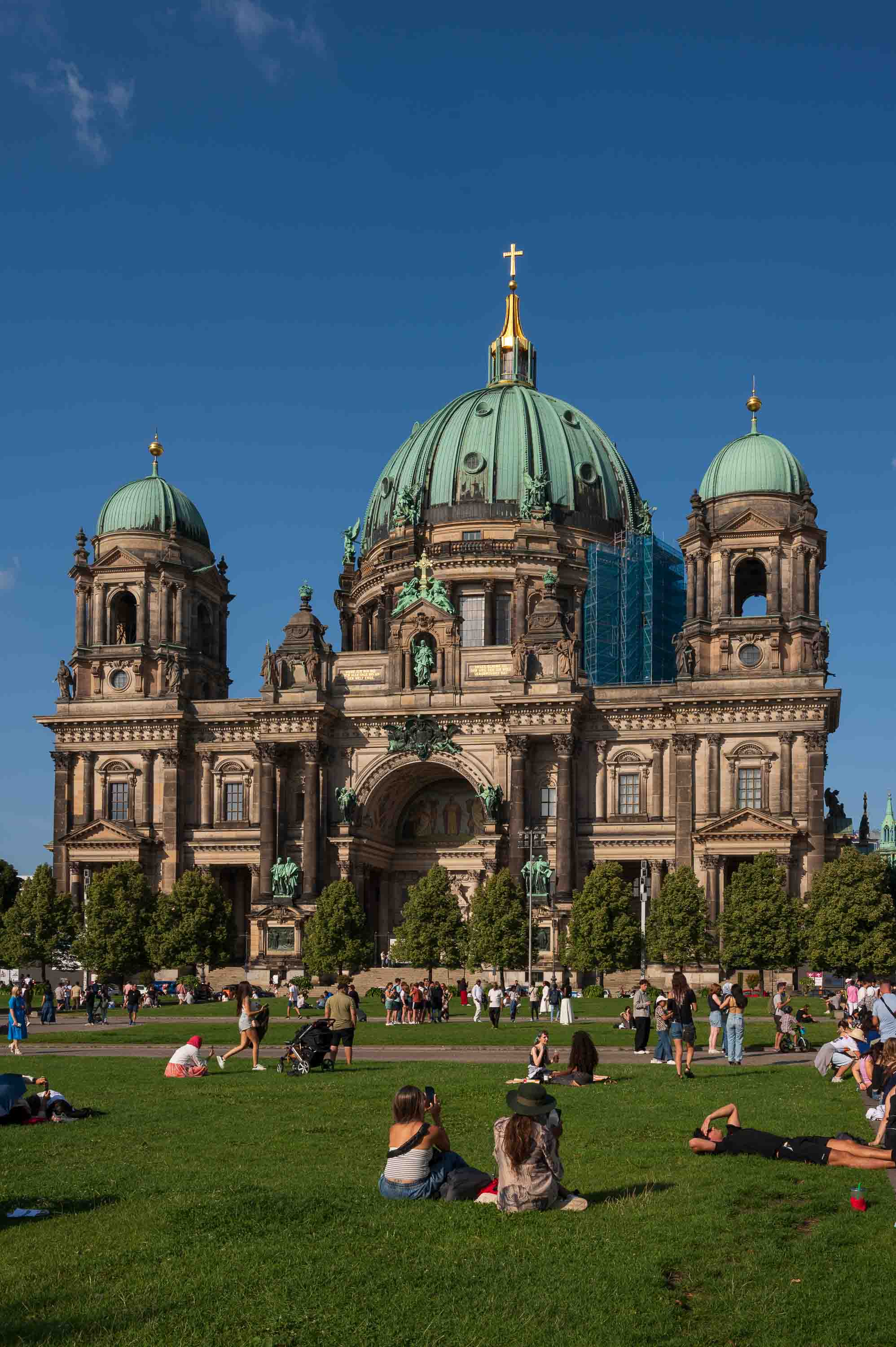
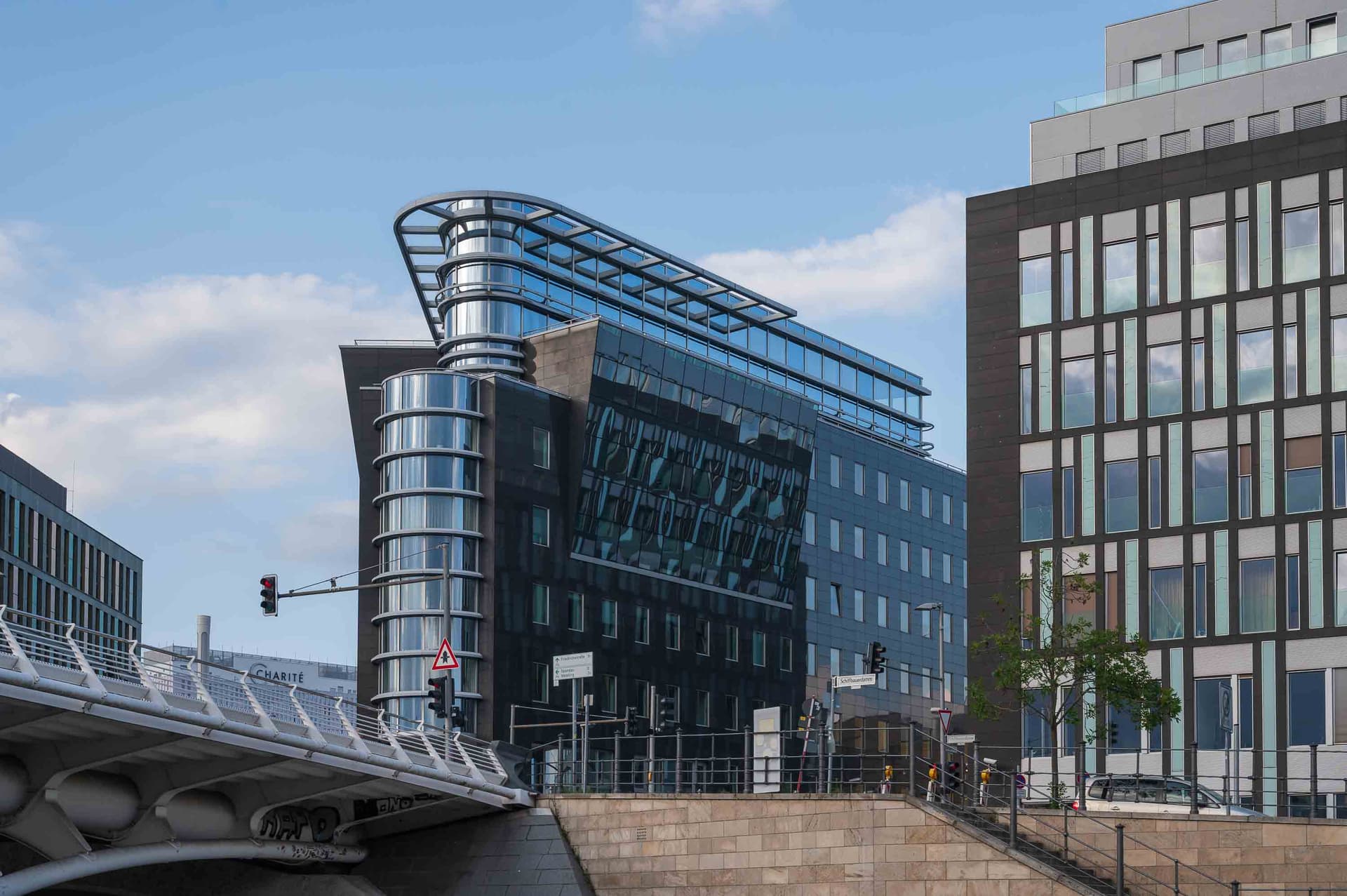
Berlin is also a masterclass in contemporary architecture. After reunification, the city became Europe's most ambitious urban laboratory: it had to rebuild the historic center divided by the Wall, fill the void left by decades of separation, and do it with coherence and vision. The result is a city where Prussian neoclassicism, socialist brutalism, 1990s postmodernism and 21st-century high-tech coexist with astonishing ease.
What fascinates me as a photographer is that in Berlin you can never frame just the present. There's always something from yesterday sneaking into the viewfinder: a stone façade behind a glass curtain wall, a cobblestone peeking out under the asphalt, a memorial plaque embedded in the base of an ultramodern building. The city doesn't wipe the slate clean. It builds on top, but it doesn't erase.
That, in photographic terms, is a permanent gift. And in human terms, it's a lesson that more cities — and more people — would do well to learn.
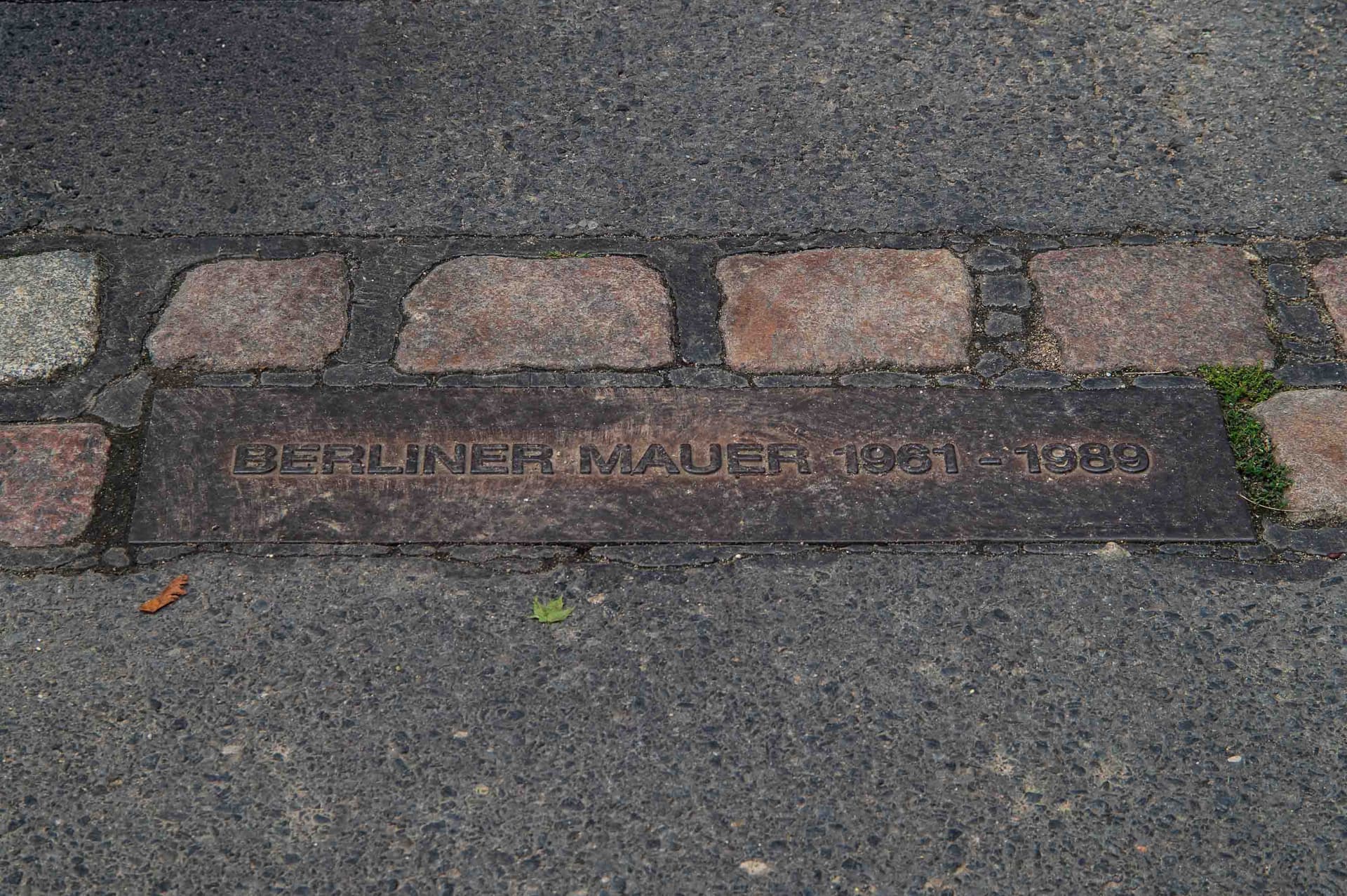
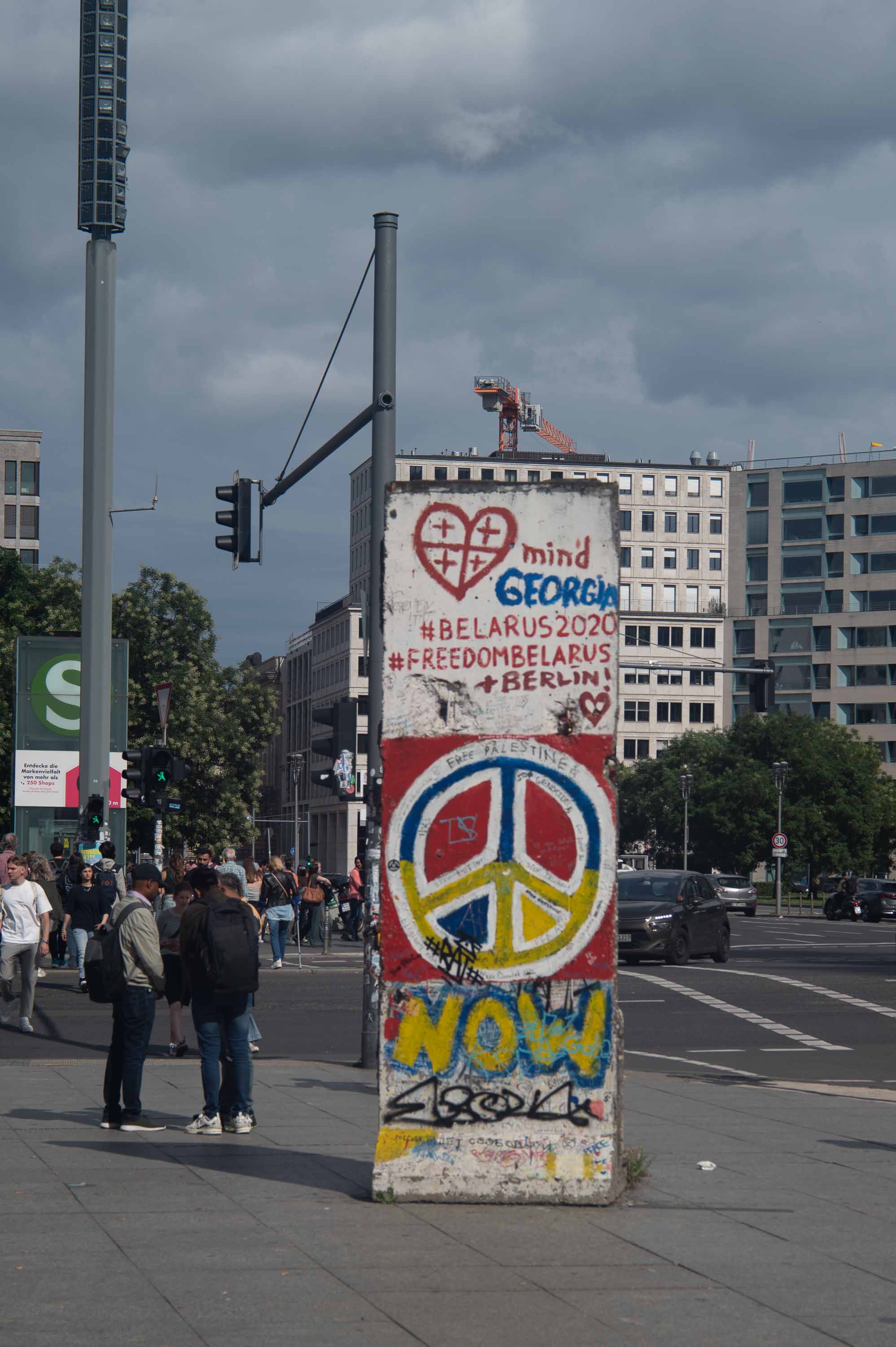
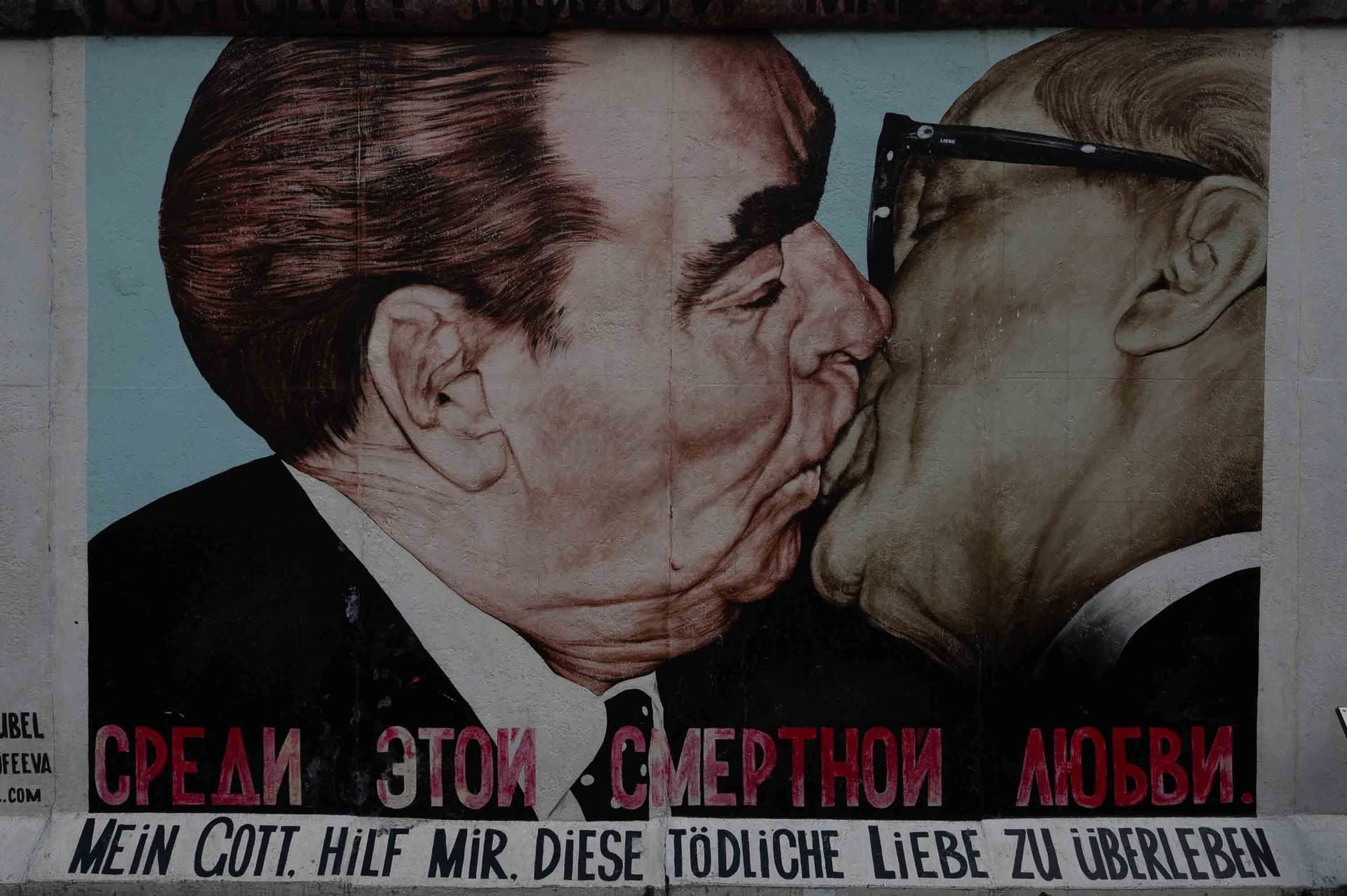
Berlin is many things and none of them at the same time. It's the façade of a building whose windows each reflect a different sky. It's Checkpoint Charlie, where tourists take photos beneath the sign that reads "You are entering the American Sector" while urban life goes on around them. It's also the endless graffiti that adorns its walls.
And it's also that ruined church I already mentioned, left unrebuilt by the people's decision and not out of neglect, its shattered tower pointing at Berlin's sky like an accusing finger aimed at no one in particular, and at everyone in general. A city that keeps its scars in plain sight. And that, paradoxically, is what makes it so alive.